
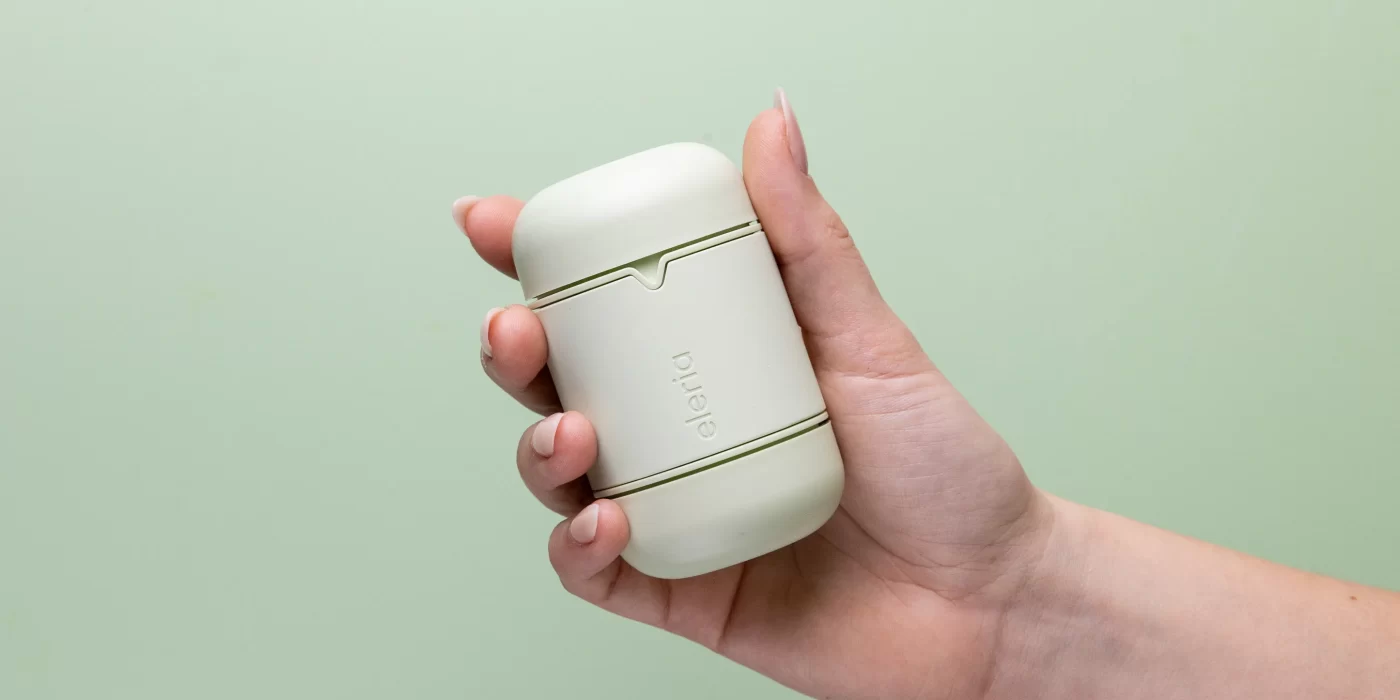
Whilst Design Director at npd, I partnered with Eleria from their university thesis through to manufacturable product. I guided the founders through concept development, material choices, DFM strategy, risk mitigation, and the realities of UK manufacturing – helping them avoid costly redesign cycles and accelerate time-to-market.
The Problem
While menstrual cups have long been championed as a sustainable, more economical alternative to disposable tampons and pads, they come with their own set of challenges—namely, cleaning in public toilets when away from home and sterilising in shared living spaces.
Whilst both the Co-Founders studied at Bristol University’s Centre for Innovation and Entrepreneurship, they spent their final year researching barriers to the uptake of reusable menstrual cups.
We heard the same issues again and again. People didn’t want to rinse their cup at a public sink or boil it on the hob in a student flat. So we asked, “How can we fix this?”
– Kira Goode, Co-Founder.
With a clear problem to solve, and a strong vision, but with limited real-world manufacturing knowledge and no internal CAD or DFM expertise, I was perfectly placed to provide expert guidance to help navigate the, often confusing, world of design and development.
From the outset, Eleria‘s Co-Founder’s were clear that they wanted this to be manufactured here in the UK, with specific product requirements for size, sterilisation and user-friendliness.
My role as lead designer & strategic advisor
My involvement combined hands-on design work with advisory support across the entire development pathway.
Industrial Design
- Product architecture
- Detailed CAD (Onshape)
- Surface development + geometry refinement
- High-fidelity rendering and visualisation (Keyshot)
- Ergonomics and usability refinements
Strategic Advisory
- Product definition and requirement-setting
- Manufacturing strategy and supplier guidance
- DFM reviews to reduce tooling risk
- Material selection and sterilisation-compatibility analysis
- Cost and feasibility discussions to shape business direction
This hybrid role ensured the founders had not only a high-quality design, but also the insight to understand why key decisions mattered—and how they affected long-term viability.
Designing a Practical, Hygienic, Manufacturable Solution
Concept Development & Architecture
Multiple form factors and opening mechanisms were explored. Through sketching, CAD variations, and engineering evaluation, the optimal approach emerged:
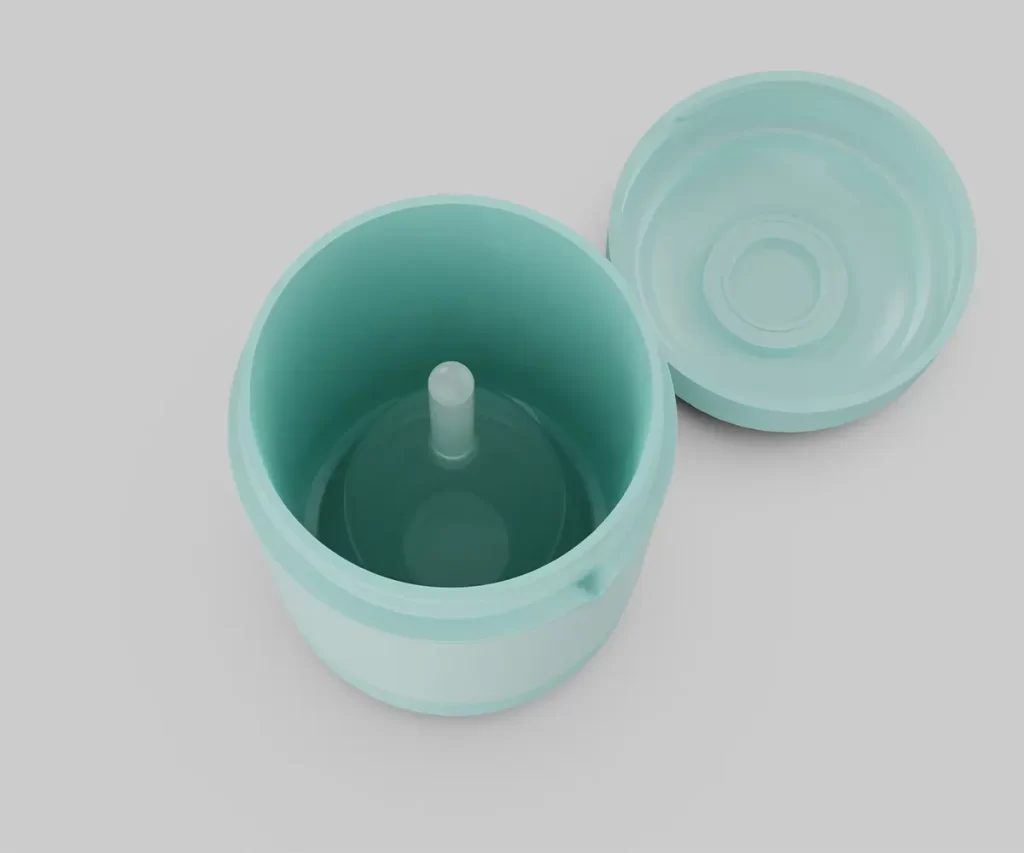
a double-opening cylindrical architecture.
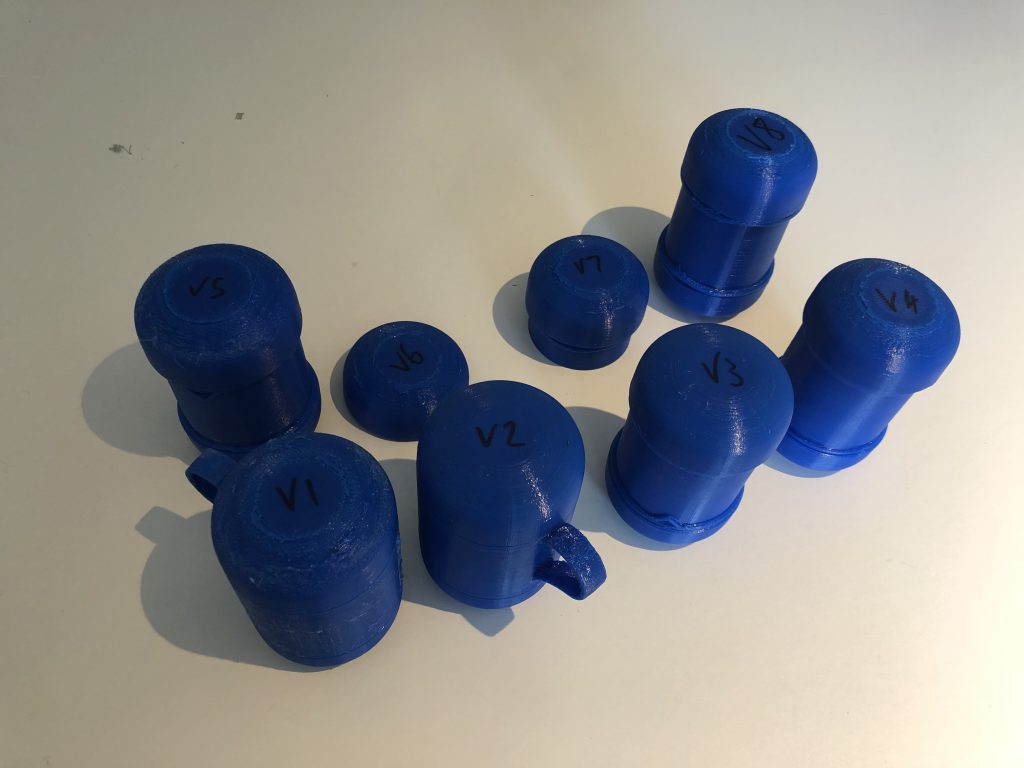
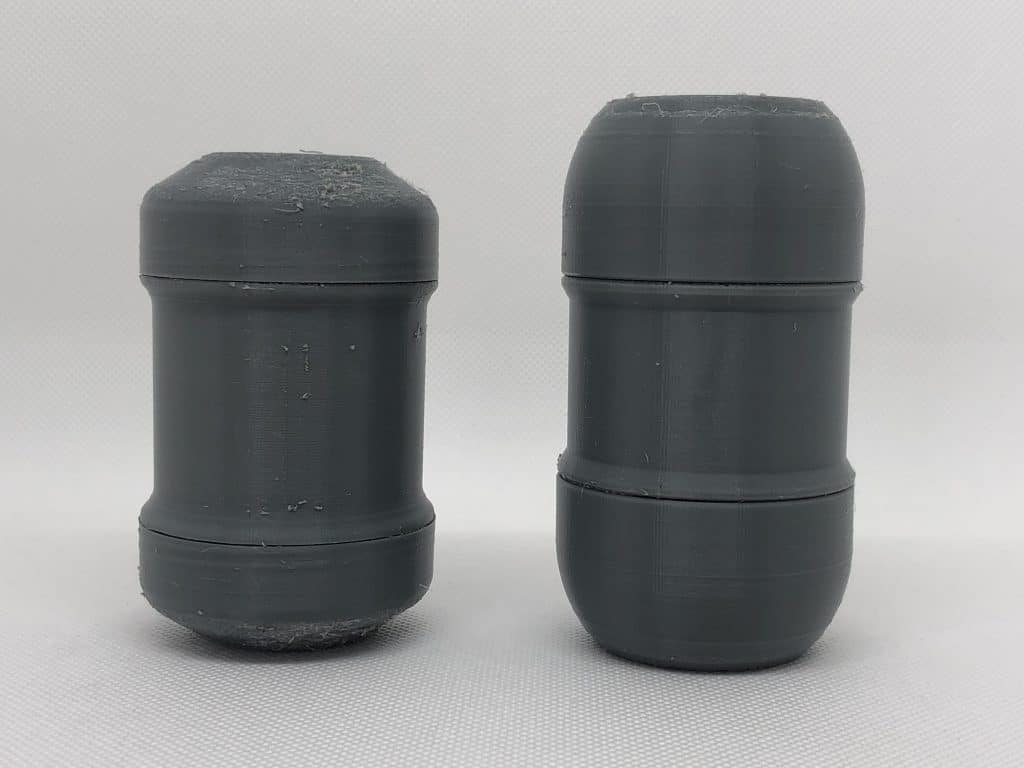
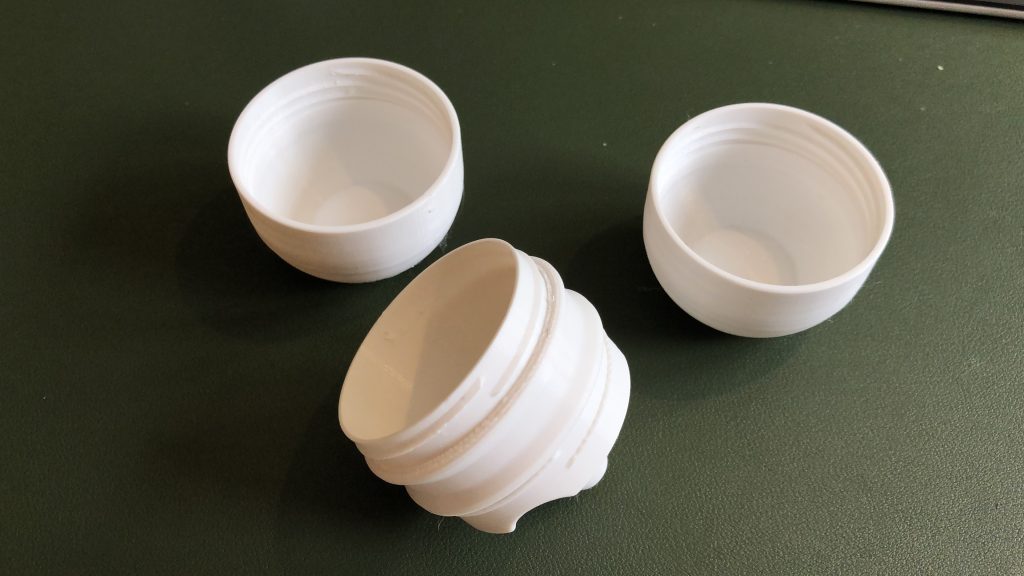
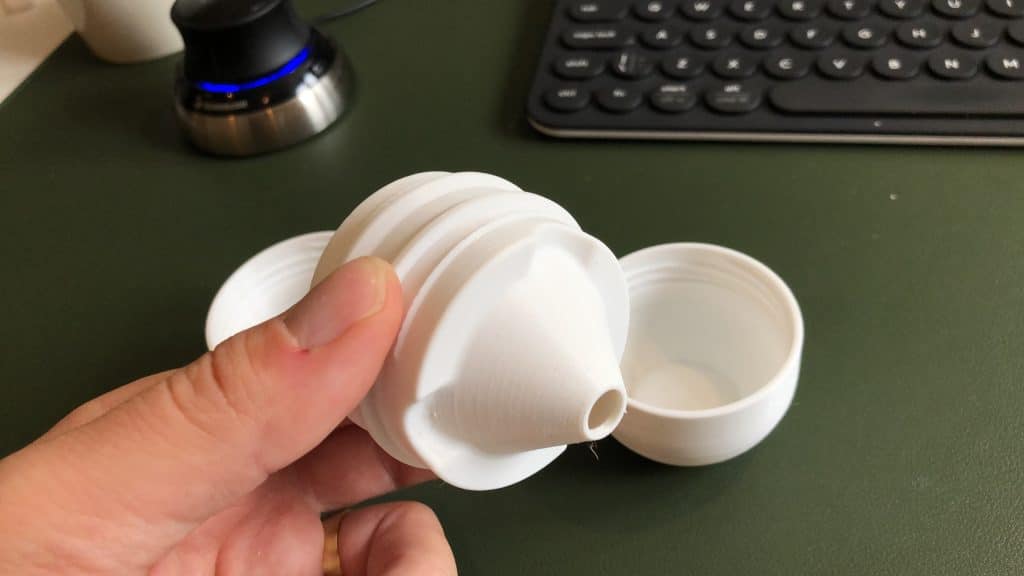
This solved several key issues simultaneously:
- Clean access for the user
- Clear separation of “clean” and “used” interactions
- Efficient water filling and draining
- Manufacturable, repeatable geometry suitable for tooling
- A compact, discreet form factor for daily carry
Material & Manufacturing Strategy
I provided guidance on:
- Materials suitable for boiling water and microwave sterilisation
- UV stability and long-term durability
- Draft angles and moulding considerations
- Methods for sealing, tolerance control, and water-tight performance
- UK manufacturing pathways and supplier expectations
Prototyping & Validation
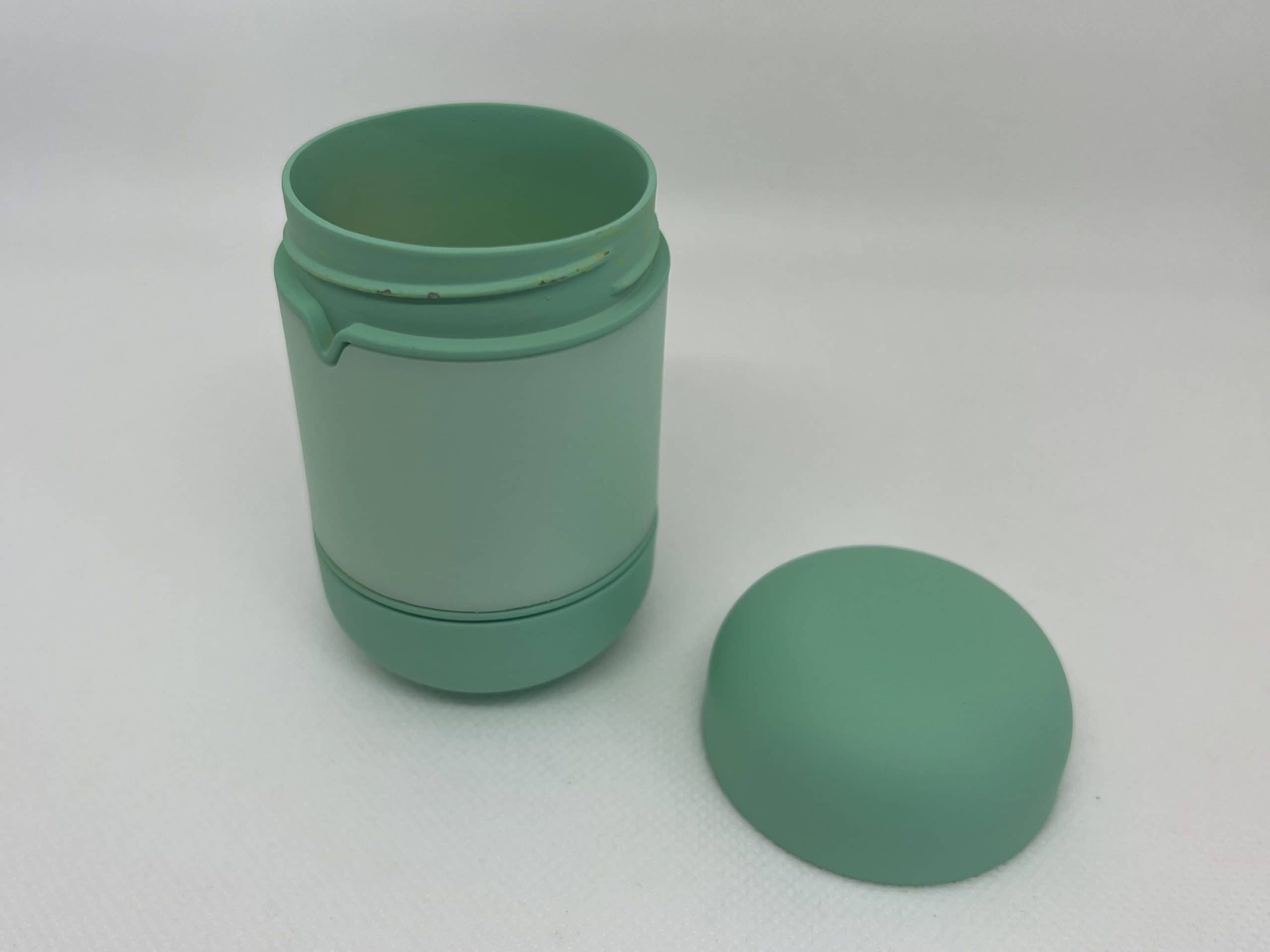
To reduce risk, I developed CAD suitable for rapid prototyping, allowing the founders to validate:
- Ergonomics
- Lid mechanics
- Fill & drain behaviour
- Overall usability
Insights from prototype testing informed final refinements and confirmed manufacturability.
Final Design
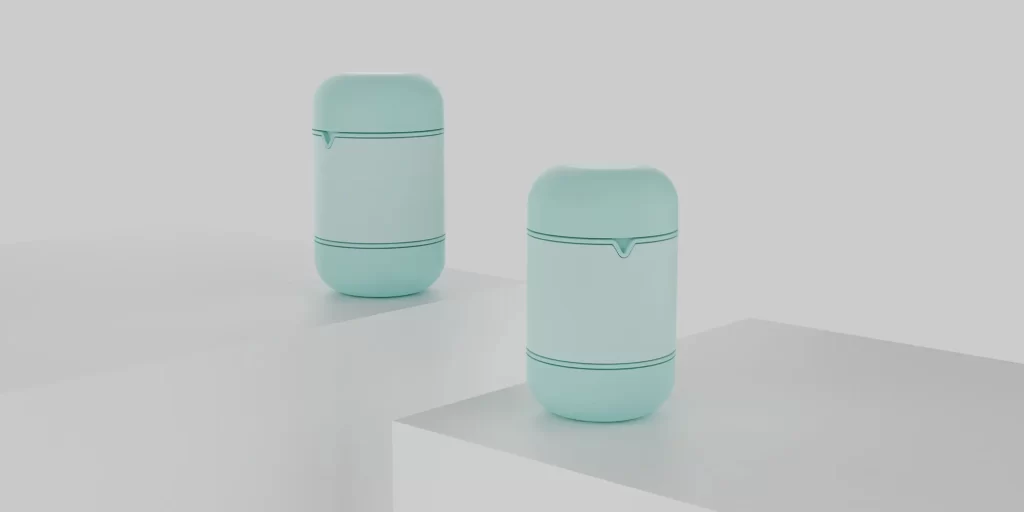
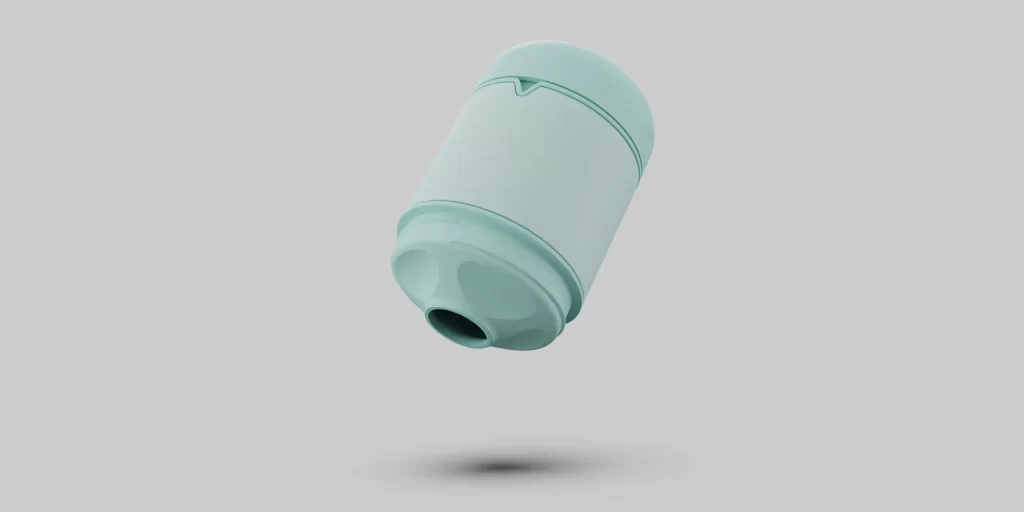
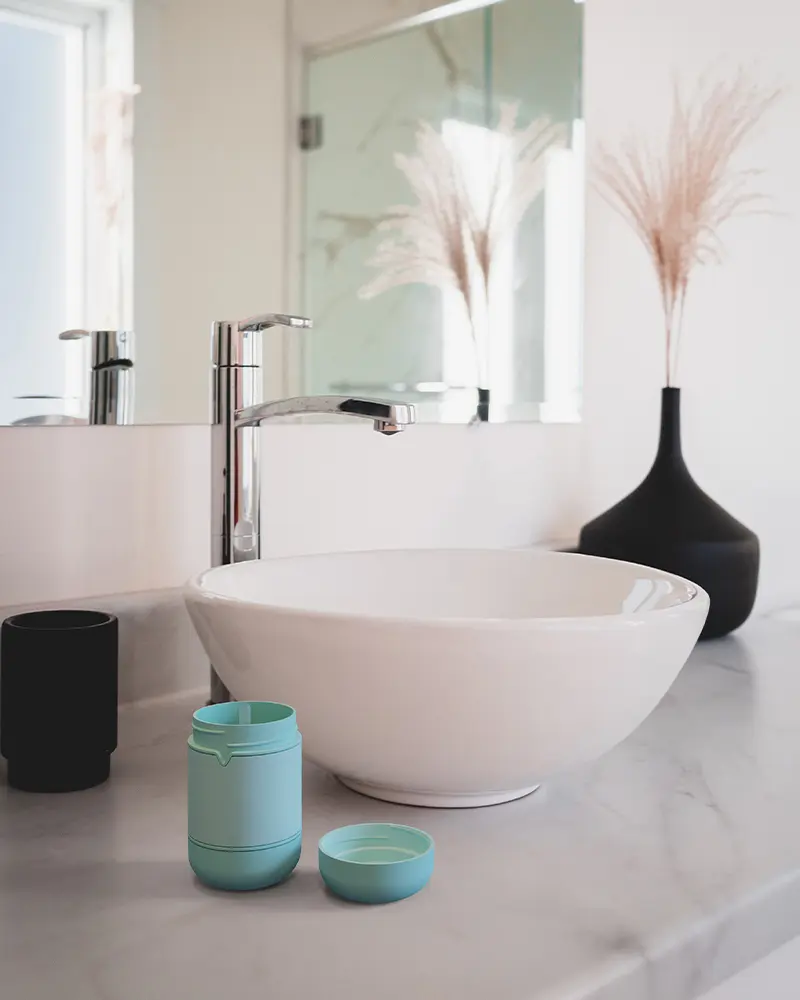
The resulting product is a portable menstrual-cup cleaning and sterilising case engineered for daily use and manufacturability.
Key features include:
- Double-opening design for hygienic workflows
- Compact, discreet form for on-the-go usability
- Microwave-safe material strategy for quick sterilisation
- Reduced carbon footprint by using post-consumer recycled plastic
- Optimised geometry for UK-based injection moulding & assembly
- A balanced, minimalist aesthetic aligned with modern personal-care products
Rendered visualisations, exploded views, and CAD documentation provide the foundation for meaningful supplier conversations and pre-production planning.
Outcomes & Impact
My advisory support accelerated Eleria’s ability to move from academic idea toward a viable commercial product. Key outcomes included:
- A fully resolved industrial design ready for manufacturer review
- Reduced tooling risk through strategic DFM refinement
- A clear materials strategy supporting hygiene, safety and sustainability requirements
- A simplified, manufacturable architecture
- Accelerated founder understanding of the hardware development process
- A strong visual identity to support brand and investor conversations
The project positioned Eleria to confidently enter prototyping, manufacturing conversations, and early investor engagement with a validated, professionally developed product, now being manufactured here in the UK and being sold since April 2025.
If you’re an early-stage hardware team…
I help founders reduce risk, make smarter decisions, and turn early ideas into manufacturable, investor-ready products.
If you need support with product design, manufacturing strategy, or design-for-manufacture advisory, let’s talk.